
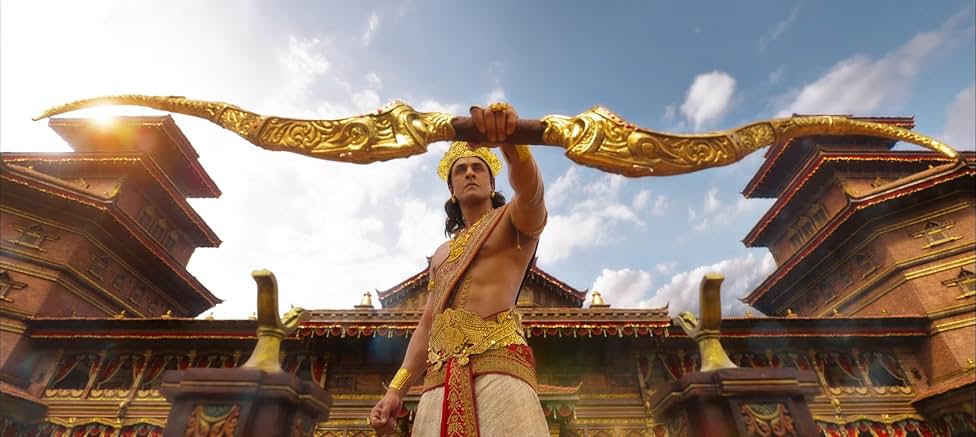
Yes, so the final Ramayana film is releasing tomorrow—a film that has been given a title and is directed by…
What is the Ramayana film?
The Ramayana is a religious epic associated with Sanatan Dharma and Hinduism, which chronicles the life of Lord Rama. It encompasses his journey from Ayodhya to Janakpur (Mithila Dham)—where he married Mother Sita during a ‘swayamvara’—as well as his subsequent return to Ayodhya. Due to certain events, Lord Rama was compelled to go into exile for fourteen years; it was during this period that Ravana abducted Mother Sita. The epic further describes how Lord Rama ultimately rescued Mother Sita from Lanka and brought her back. In short, the Ramayana is a narrative that encompasses all these events.
What’s special this time?
This question is significant because, for a long time, the Ramayana has been presented by various creators in diverse formats—including films, series, individual episodes, and web series. Throughout history, people from every era have offered their own unique interpretations of this epic. However, what distinguishes this particular version is that it has been crafted with a global cinematic perspective in mind. Its technical visuals and effects have been developed to meet world-class standards, ensuring that the film is not confined to India alone, but reaches audiences across the globe.
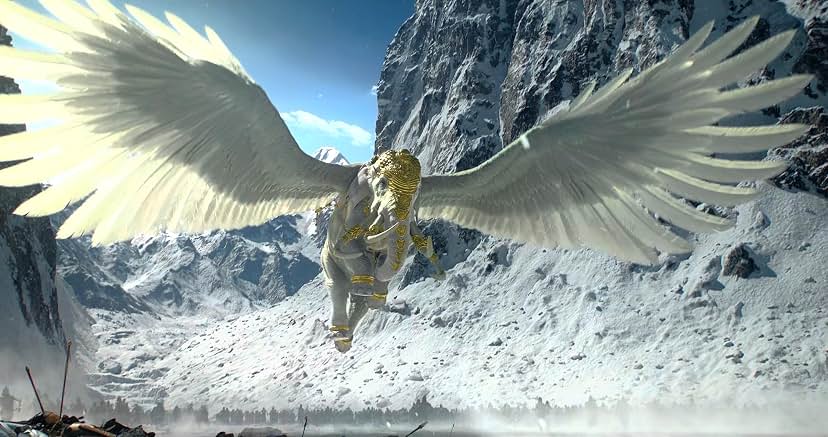
who are these people?
Ha ha ha! It’s truly intriguing to wonder who these people are—it’s quite exciting! Let’s take a look at some of the key individuals involved. The film is produced by Namit Malhotra, who possesses a grand vision for cinema. Director Nitesh Tiwari is working to elevate this vision to an even greater scale. As for the lead cast, Ranbir Kapoor is playing the role of Lord Ram, while Sai Pallavi portrays Mata Sita. South Indian superstar Yash features as Ravana, and the star Sunny Deol will be seen as Lord Hanuman.
What will happen ?
It will be truly interesting to see, as a different facet of Indian cinema has emerged; let’s see how things unfold from tomorrow onwards.